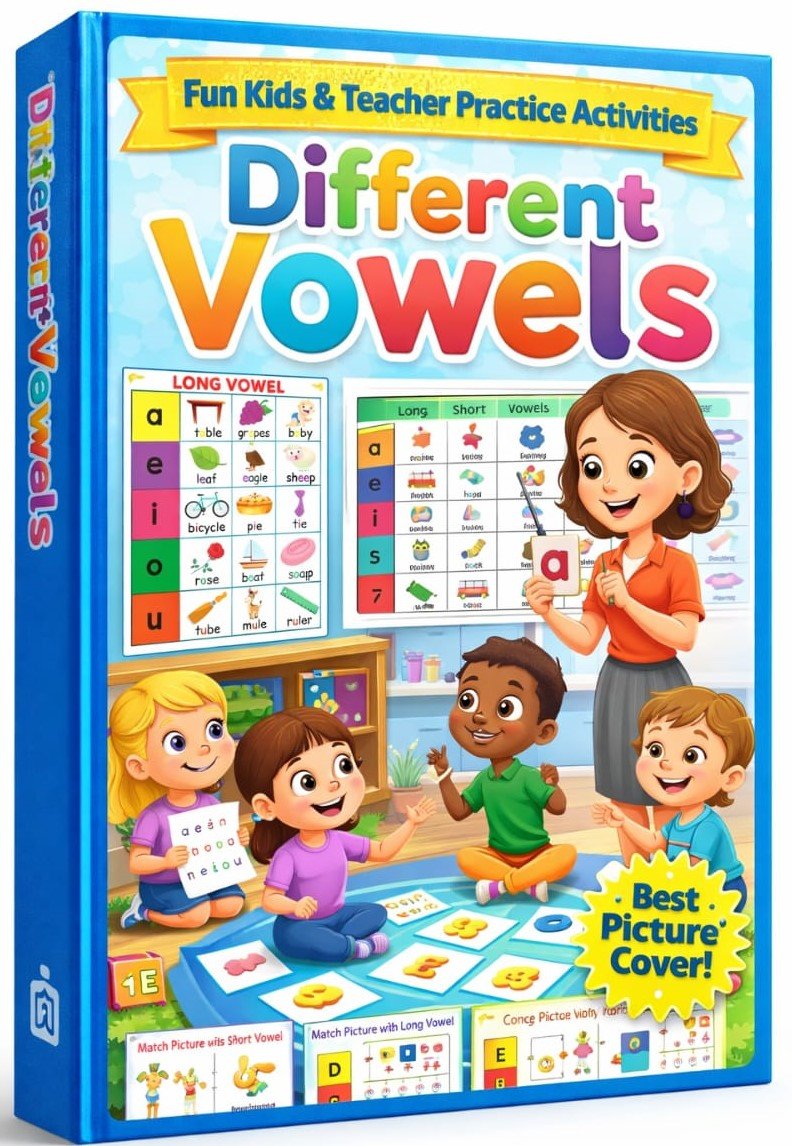
Different Vowels
Different Vowels are the foundation of learning English pronunciation, reading, and writing. Understanding vowels is one of the first and most important steps in early literacy. Whether you are teaching young learners or helping children at home, learning about vowels helps build strong language skills and improves communication. Vowels may seem simple, but they play a powerful role in forming words and sounds.
In English, there are five main vowels: A, E, I, O, and U. Sometimes, the letter Y is also considered a vowel depending on how it is used in a word. Different Vowels can produce various sounds, which makes English both interesting and challenging for beginners. For example, the letter “A” can sound different in words like “apple,” “cake,” and “car.” Learning these variations helps children understand pronunciation more clearly.
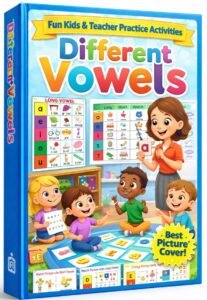
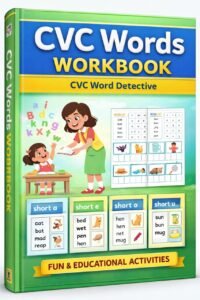
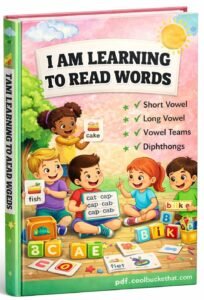
One of the key concepts in Different Vowels is the difference between short and long vowel sounds. Short vowels are quick and simple, as heard in words like “cat,” “bed,” “sit,” “hot,” and “cup.” Long vowels, on the other hand, sound like the name of the letter itself, as in “cake,” “tree,” “bike,” “home,” and “cube.” Teaching this distinction helps learners recognize patterns in words and improves their reading skills.
Another important aspect of Different Vowels is vowel combinations, also known as vowel digraphs. These occur when two vowels come together to create a single sound, such as “ea” in “bread,” “ai” in “rain,” and “oa” in “boat.” These combinations can sometimes be tricky, but with practice, children can learn to identify and use them correctly.
Teaching Different Vowels becomes more effective when using interactive and engaging methods. Activities such as matching games, flashcards, phonics songs, and simple reading exercises make learning fun and memorable. Children learn better when they are actively involved, so incorporating play-based learning techniques can greatly improve their understanding.
For teachers, focusing on Different Vowels provides a strong base for phonics instruction. It helps in developing students’ reading fluency and spelling accuracy. Structured lessons that introduce one vowel sound at a time, followed by practice and revision, are highly effective. Teachers can also use visual aids and real-life examples to make lessons more relatable.
Parents can also support their children by practicing Different Vowels at home. Simple activities like reading aloud, identifying vowel sounds in everyday words, and playing word games can make a big difference. Consistent practice helps children gain confidence and improves their ability to read and speak clearly.
From an SEO, GEO, and AEO perspective, Different Vowels is a valuable topic for those searching for basic English learning concepts. It answers common questions like “What are vowels?” and “How to teach vowel sounds to kids?” This makes the content useful for a wide audience, including educators, parents, and beginners in English learning.
In addition to improving reading and pronunciation, learning Different Vowels also enhances listening skills. Children become better at identifying sounds and understanding spoken language. This skill is essential for effective communication and academic success.
In conclusion, Different Vowels are a crucial part of learning English. They form the building blocks of words and help learners understand how language works. By focusing on short vowels, long vowels, and vowel combinations, children can develop strong literacy skills. With the right teaching methods and regular practice, mastering vowels becomes an enjoyable and rewarding experience.